


MedSmart
How Lack of Sleep Affects Blood Sugar Levels
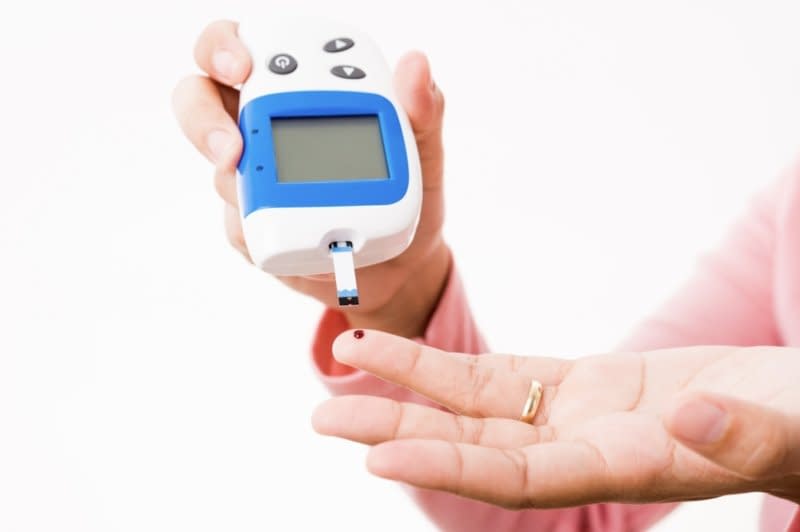
Many people associate diabetes and blood sugar almost exclusively with diet. It is true that what we eat directly influences blood sugar levels, but there are other factors that play an important role. One of the most underestimated is sleep. Short nights, fragmented sleep, or poor quality rest can affect how the body manages glucose, even when the diet remains the same.
Why Does the Body Need Sleep?
Sleep is one of the most important recovery periods for the body. During the night, the body regulates many essential processes, including hormone production, metabolism, and insulin sensitivity. When sleep is sufficient and of good quality, the body maintains its metabolic balance more easily. In contrast, a lack of rest can disrupt these mechanisms and influence how glucose is utilized.
The Link Between Sleep and Insulin
Insulin is the hormone that helps glucose enter the cells to be used as a source of energy. When a person repeatedly gets too little sleep, the body's sensitivity to insulin can decrease. In other words, cells respond less effectively to insulin, and blood sugar levels can remain elevated for longer periods. Over time, this phenomenon can promote insulin resistance and increase the risk of type 2 diabetes.
Stress Hormones and Blood Sugar
A lack of sleep also influences the levels of stress hormones, particularly cortisol. When the body is deprived of rest, cortisol levels can remain elevated longer than normal. A high level of cortisol prompts the body to release more glucose into the bloodstream to cope with a perceived alert situation. Thus, even in the absence of dietary changes, blood sugar levels can rise.
Why Do Sugar Cravings Appear After a Poor Night's Sleep?
Many people notice that after a restless night, they feel the need for more snacks, especially foods high in sugar or carbohydrates. This is not accidental. A lack of sleep affects the hormones that regulate hunger and satiety. The body tries to compensate for fatigue by seeking quick sources of energy, which can lead to overeating and further blood sugar fluctuations.
Who Is Most Vulnerable?
Shift workers, individuals with irregular sleep schedules, or those suffering from insomnia are more exposed to these effects. Additionally, people who already have diabetes or prediabetes may notice that their blood sugar values are harder to control during periods of insufficient sleep. In many cases, improving sleep quality can have a positive effect on metabolic control and overall health.
When Is It Time for an Evaluation?
If fatigue is constant, if there are blood sugar fluctuations, or symptoms such as excessive thirst, increased hunger, and difficulty concentrating, a medical evaluation is recommended. A diabetes consultation can help identify the causes and establish measures to improve both blood sugar control and overall lifestyle.
Sleep, an Important Part of Prevention
Often, when we talk about diabetes prevention, we think of diet and physical activity. However, sleep is just as important a piece of this puzzle. A well-rested body manages glucose more efficiently, responds better to insulin, and has a greater capacity to adapt to daily stress. For individuals wishing to evaluate their metabolic health and better understand the factors influencing blood sugar, Coreprime—a medical clinic in Bucharest with extensive experience—provides access to personalized evaluations and recommendations tailored to each situation.
In conclusion, sleep is not just a break between two days of activity. It is an essential process for the balance of the entire organism, and its impact on blood sugar is much more important than many people think. A good night's rest can be one of the simplest and most effective steps for long-term metabolic health.