


MedSmart
Easter nutrition guide: how to enjoy the holidays without putting your health at risk
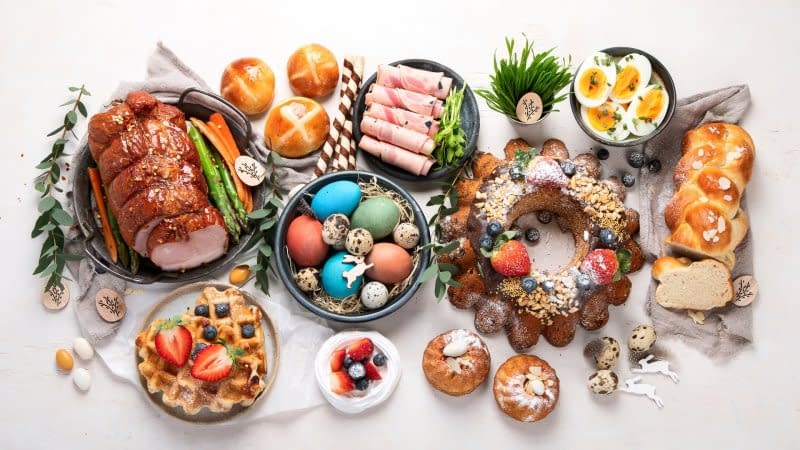
During the holidays, festive meals can become a real challenge for your body. Traditional Romanian Easter dishes are delicious but often rich in fat, salt, and sugar. For a healthy person, overeating may only cause temporary discomfort. But for someone with diabetes, hypertension, or cardiovascular disease, just one unbalanced meal can have serious consequences.
In this guide, you’ll find practical advice on how to enjoy Easter without risking your health. Regardless of your medical condition or dietary needs, there are simple, effective solutions.
Why Easter meals can become a health hazard
The traditional Romanian Easter menu includes deviled eggs, drob (lamb offal loaf), roast lamb, cozonac (sweet bread), pasca (cheesecake), and many other dishes packed with calories, saturated fats, and salt.
Eating quickly and in large portions can lead to: elevated blood sugar, increased blood pressure, digestive discomfort, gallbladder attacks, and cardiovascular complications.
Hospitals often report a significant rise in admissions for digestive and heart-related issues during the Easter holidays.
General principles for a balanced Easter meal
1. Eat mindfully. Don’t turn the meal into a marathon. Chew slowly, savor every bite, and listen to your body.
2. Don’t skip meals. Avoid the common mistake of not eating all day to “compensate” for the Easter feast. Your body will react poorly to a sudden overload of food.
3. Stay hydrated. Drink water before and during the meal. Avoid fizzy drinks and limit alcohol intake.
4. Choose gentler cooking methods. Baking, boiling, or steaming helps preserve nutrients and reduce unnecessary fats.
Nutrition recommendations by medical condition
Diet for people with diabetes
Those with diabetes need to pay close attention to simple carbs and food combinations.
What to do:
- Choose sugar-free pasca or versions sweetened with stevia.
- Replace cozonac with fresh fruit or low-carb desserts.
- Include fiber at every meal — raw or cooked vegetables, lentils, beans.
- Monitor blood glucose before and after meals.
- Stick to strict portions: one egg, one slice of drob, one serving of skinless roast meat.
What to avoid:
- The bread + potatoes + dessert combo.
- Store-bought sugary drinks and excessive alcohol.
Diet for people with cardiovascular disease
For those with high blood pressure, heart failure, or a history of heart attack, controlling fat and sodium intake is critical.
What to do:
- Cook with olive oil instead of lard or sunflower oil.
- Choose lean meats: turkey, fish, skinless chicken.
- Greatly reduce salt and use aromatic herbs for flavor.
- Add raw vegetables to every meal.
What to avoid:
- Processed meats, aged cheeses, pickled foods.
- Deviled eggs with mayonnaise.
- Cream-based lamb soup (ciorbă de miel with sour cream and egg).
Diet for people with digestive conditions (gastritis, reflux, gallbladder issues)
Fatty and spicy foods can easily trigger digestive flare-ups.
What to do:
- Start the meal with a salad or a light appetizer.
- Enjoy roast meat if it’s baked, skinless, and not fried.
- Eat dessert 2–3 hours after the main meal.
What to avoid:
- Highly acidic or spicy foods.
- Cozonac with excessive cocoa or walnuts.
- Eating eggs, roast, and pasca all at once.
How does a balanced Easter meal look like?
Breakfast: Boiled egg, cherry tomatoes, one slice of whole-grain bread.
Lunch: Clear vegetable soup, roasted turkey with a side of broccoli and brown rice, green salad with olive oil.
Dinner: Grilled fish with beet and horseradish salad, Greek yogurt with chia seeds.
A healthy Easter means prevention, not restriction
The goal isn’t to eliminate tradition, but to adapt it. Your health doesn’t need to be sacrificed for a complete holiday menu. Make conscious choices, plan ahead, and allow yourself an Easter experience that nourishes both body and joy.
At CorePrime, our nutrition specialists can help you tailor your diet to your diagnosis and guide you through holiday meals with confidence. Book a consultation and turn every festive meal into a moment of balance!