


MedSmart
Acne or Folliculitis? Two Skin Problems That Can Look Very Similar
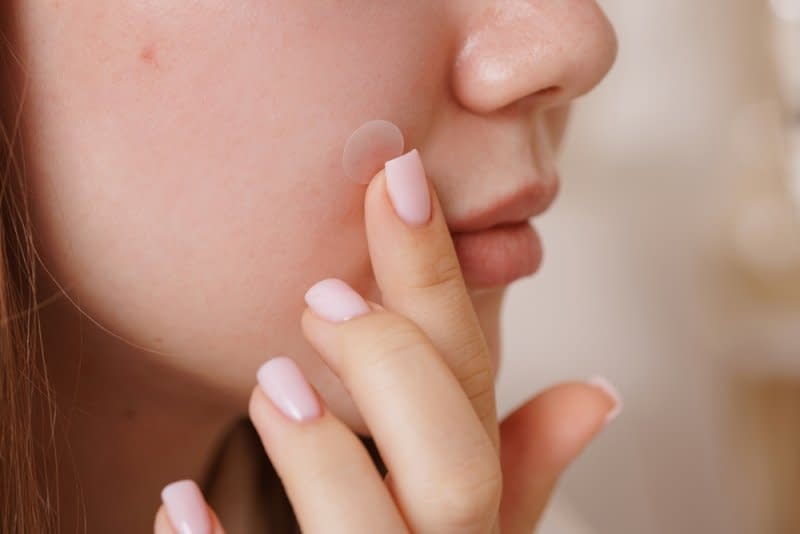
You have a few spots on your forehead, back or chest, so you start using acne products. A few weeks later, you notice the lesions persist, new ones appear and sometimes your skin becomes increasingly irritated. The explanation may be that you are dealing with a different skin condition, one whose symptoms closely resemble acne.
Folliculitis and acne can both cause red bumps, sometimes filled with pus, in similar areas of the body. However, they develop through different mechanisms, and identifying the problem correctly is essential for choosing the right treatment.
How does acne develop, and why does it persist?
Acne is an inflammatory condition of the pilosebaceous unit, the structure made up of the hair follicle and the sebaceous gland. The development of lesions is influenced by sebum production, the build-up of dead cells inside the follicles, the activity of the bacterium Cutibacterium acnes and the skin's inflammatory response.
Depending on its severity, acne can cause blackheads, whiteheads, red papules, pustules and, in more severe forms, painful nodules. Lesions often appear on the face, chest, shoulders and back, areas where the sebaceous glands are more active, and acne often follows a long course, with periods of improvement and flare-ups. An important clue for identifying acne is the presence of comedones, known as blackheads and whiteheads. These are characteristic of acne and are usually absent in folliculitis.
What is folliculitis, and why does it look like acne?
Folliculitis is inflammation of the hair follicles. It can be caused by bacterial or fungal infections, but also by mechanical irritation, friction or other non-infectious causes. Small papules or pustules appear on the surface of the skin, often centred around a hair. The lesions may be accompanied by itching, tenderness or discomfort.
Folliculitis occurs on the back, chest, buttocks, thighs and other hair-bearing areas. It can appear after shaving, waxing, heavy sweating or wearing clothes that cause friction and trap moisture. There is also Malassezia folliculitis, which can produce acne-like breakouts, especially on the forehead, chest and back. In this case, the lesions tend to be fairly uniform and may cause itching.
Three clues that can help you spot the differences
Although a correct diagnosis sometimes requires a dermatological examination, a few features can help guide the assessment.
The appearance of the lesions. Acne often produces several types of lesions at the same time, from comedones to inflamed spots. In some forms of folliculitis, the bumps are similar in size and appearance.
Itching. Acne can cause tenderness or pain, especially with inflamed nodules. Itching is more suggestive of certain forms of folliculitis, although it can also occur in other skin conditions.
The context in which it appears. Breakouts that develop after waxing, intense sweating or repeated friction on the skin can raise suspicion of folliculitis. Acne is frequently influenced by hormonal factors, genetic predisposition and the individual characteristics of the skin.
Keep in mind that these differences are only a guide, as the two conditions can occur at the same time.
Why don't acne treatments always work?
An acne treatment should be chosen according to the type of lesions, the severity of the inflammation and the characteristics of the skin. For acne, a doctor may recommend ingredients such as benzoyl peroxide, topical retinoids or azelaic acid. Moderate and severe forms, however, may require additional treatment.
Folliculitis, on the other hand, may need a different approach depending on its cause. For example, fungal folliculitis will not respond properly to a treatment designed only for acne. Be careful: repeatedly applying exfoliating products or using several active ingredients without control can cause irritation, dryness and damage to the skin barrier. Moreover, inappropriate use of antibiotics can encourage bacterial resistance, which is why they should only be taken on a doctor's recommendation.
When should you see a dermatologist?
If the breakouts persist, spread or come back after every treatment attempt, a dermatology consultation is worthwhile. The doctor can examine the distribution and features of the lesions to tell acne apart from folliculitis or other conditions with similar symptoms.
In some cases, additional tests may be needed to identify an infectious cause. An evaluation is also important when acne causes deep, painful lesions or starts to leave scars, as starting appropriate treatment early can limit inflammation and the risk of permanent marks.
In short, spots on the face or body can have different causes, even when they look almost identical. Acne often requires consistent treatment tailored to its severity, while folliculitis may require identifying and removing a trigger or treating an infection. If acne products don't deliver the expected results, constantly switching skincare products can delay solving the problem. That is why identifying the cause correctly allows you to choose the right care and avoid treatments that needlessly worsen your skin.